

The Basics of “Biotics” & Functional Foods
Lately, the journey to better health is about following your gut in every sense. As an ACE-certified nutrition specialty health coach, I consume the latest research like a healthy breakfast. But there is more disinformation out there than brands of mushroom coffee, especially about restoring “gut health.”

Greek Yogurt (Photo: iStock)
Since humans are 90% microbes and most live in your gut, who is in charge – you or your intestines? Scientists and professors like Nick Spencer from Flinders University posit that our gastrointestinal tract might be our “first brain” or a “super” organ. This is because it has its own enteric nervous system, which affects most physiological systems, and plays a role in various diseases.

Fermented Fruit (Photo: Adobe Stock)
Did you know that a stressful or highly processed meal can totally reconfigure the “bugs in your belly” (gut microbiota) for better or worse within 24 hours? So, imagine having a map outlining what steps will get you closer to your destination (eubiosis) and which might lead you further away toward imbalance (dysbiosis). Even with this guide, the adventure might not be easy, because the bugs in our bellies like being there and do not want to move out.
Step One: Putting “Fun” in Functional Foods
Functional foods have beneficial effects on your physiological systems, on your health overall, and help prevent diseases. One example is the Lion’s mane mushroom. The Cleveland Clinic states these yummy fungi, nicknamed “Pom Pom,” positively impact the brain, heart, and gut. “People are looking for alternatives for things before they go on medications,” said Beth Czerwony, a registered and licensed dietitian. This might be why everyone, me included, is sipping faux coffees like Ryze containing mushrooms, including Lion’s mane.

Tomatoes (Photo: iStock)
So, en route to better gut health, visit your favorite grocery store for a variety of nutrient-dense foods to use in weekly recipes. To find these functional foods, look up the U.S. Food & Drug Administration website page for printable posters that easily identify healthy, nutrient-packed foods with fewer calories. Just be aware not every vegetable is healthy for us. Some foods can be pro-inflammatory, such as potatoes, eggplant, and other nightshades, especially if you have a chronic autoimmune condition like rheumatoid arthritis. “Both diet and the gut microbiome are linked to circulating metabolites that may modulate inflammation,” said Bustamante.
Another example of functional foods is called “superfoods” or “nutraceuticals.” They refer to healthy ingredients with beneficial qualities to use in meal preparation. For instance, try making naan bread using Greek yogurt, which contains Bifidobacterium to suppress tumor formation in colorectal cancer and reduce the risk of developing diabetes and inflammatory bowel diseases.

Beer. (Photo: iStock)
Step Two: The Basics of “Biotics”
Speaking of yogurt, let’s chat about “biotics” as the pre, pro, post, and anti “biotics” can give a boost or a punch to your gut. “Prebiotics” means fiber. The indigestible types like nuts, beans, and oat bran “selectively nourish beneficial gut bacteria, promoting their proliferation and metabolic activity,” according to Sandipan Dasgupta from the Department of Pharmaceutical Technology at Maulana Abul Kalam Azad University of Technology. For health, adults need between 25 and 34 grams per day, with men needing more than women. “Through fermentation (in the colon), prebiotics yield short-chain fatty acids (SCFAs) such as acetate, propionate, and butyrate, pivotal in supporting intestinal health and function.”

Lion’s Mane Mushroom (Photo: Adobe Stock)
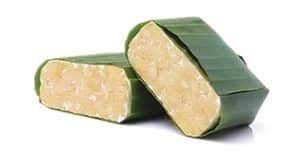
We can also partake in cider, wine, beer, yogurt, kimchi, tempeh (fermented soy), and pickled vegetables, all of which are probiotic foods that contain live microorganisms. It’s like a lively block party for your body! According to the book, Gut Microbiota and their Impact on Disease Pathways, “Probiotics—live microorganisms administered in sufficient quantities, confer health benefits through producing metabolites such as vitamins, enzymes, and SCFAs during fermentation. These bioactive compounds contribute to immune modulation, nutrient absorption, and the preservation of gut epithelial integrity.”
Tofu (Photo: iStock)
Look online to find simple recipes to make kimchi or pickled vegetables to get you started.
If you eat prebiotic and probiotic foods together, you consume postbiotics (the breakdown components of the fermentation). Or you may find supplements online at Vitacost. As far as antibiotics go, they can exacerbate poor gut health unless the benefit outweighs the risk, as might be the case in a life-threatening bacterial infection. If you are prescribed antibiotics, the current recommendation is to follow them up with a quality probiotic.
Step Three: The Gut/Brain Axis
The gut and the brain are in a symbiotic relationship, and they bicker like family members. In fact, the vagus nerve is the quickest way to get the gut’s attention. By stimulating it with different frequencies, anxiety and depression can decrease. “Stress is thought to be among the most important stimuli discussed by the brain and gut… [The brain] is kind enough to save energy on digestion, producing less mucus and reducing the blood supply,” said Dr. Giulia Enders, author of Gut, a down-to-earth book that discusses stress and poop, both productively.
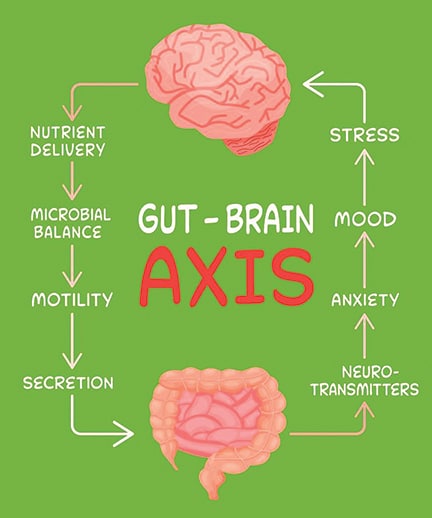 Mindful eating and stress reduction tools and behaviors may be the most important part of the journey. Removing distractions, such as television, while eating is also key. The “Serenity” app on Google Play is a practical way to de-stress. Also, try using meditations on your journey and take time to smell the oven-roasted spiced squash baking along the way!
If you follow your gut, you may feel good enough to climb Mt. Katahdin, or explore your own kitchen spice rack with increased enthusiasm (ginger and cinnamon are two gut-healthy favorites). You can even buy a gut-health cookbook like Eat Yourself Healthy by Dr. Megan Rossi or consult experts in medical nutrition and nutrigenomics testing to determine how your specific genes influence your gut health. Ultimately, you will need to listen to your gut instincts and “go with your gut” on your own gut microbiome journey.
Story by Vanessa Newman. Vanessa is an American Council on Exercise Nutrition Specialty Health Coach, Husson University professor, and public health consultant. She has published multiple health and wellness articles and writes children’s and women’s fiction books.


Your Guide to Fitness,
Nutrition & Mindfulness,
plus Races & Events calendarGET THE LATEST ISSUE


Maine Health & Wellness Guide
9 Susan’s Way, Windham, Maine 04062
Tel: 207-671-7230
Email: info@mainehealthandwellness.com